The Science Behind Synedica Retatrutide 40mg Injection Pen for Research Applications
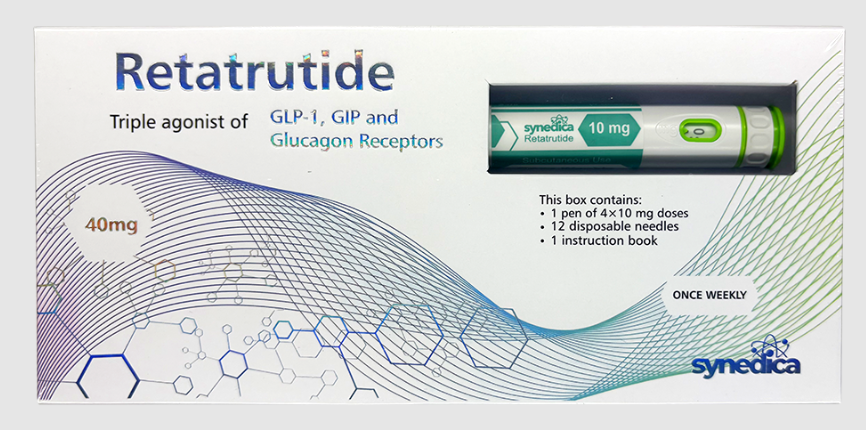
Retatrutide Synedica represents a new area of interest in metabolic research, focusing on innovative approaches to understanding weight management, appetite regulation, and metabolic health. Synedica Retatrutide 40mg Injection Pen is described as an investigational research product featuring a triple receptor agonist designed to target three important biological pathways: GLP-1, GIP, and glucagon.
This advanced peptide-based research product is being studied for its potential role in supporting investigations related to appetite control, fat metabolism, and blood sugar regulation. By combining multiple receptor activities within a single molecule, retatrutide Synedica is positioned as a next-generation metabolic research compound with potential applications in obesity and metabolic health studies.
The Retatrutide Synedica Injection Pen kit includes four 10mg doses contained in a prefilled injection pen format. It is developed and marketed strictly for research purposes, allowing researchers to explore the complex interactions between incretin hormones, energy balance, and metabolic pathways.
Understanding Retatrutide Synedica and Its Research Background
Retatrutide Synedica is associated with the growing field of multi-receptor agonist research, where scientists investigate compounds that influence several metabolic pathways at the same time. Traditional approaches often focus on targeting a single receptor, while newer research strategies explore combinations that may provide broader metabolic effects.
The concept behind retatrutide Synedica involves studying how simultaneous activity at GLP-1, GIP, and glucagon receptors may influence important biological processes. These pathways are naturally involved in regulating appetite, glucose metabolism, insulin response, and energy expenditure.
Researchers are interested in triple receptor agonists because they may offer a more comprehensive understanding of metabolic regulation. By examining multiple pathways together, studies can provide insights into how the body manages food intake, energy use, and fat processing.
The Triple Receptor Approach of Synedica Retatrutide
The key feature of Synedica Retatrutide 40mg Injection Pen is its triple receptor agonist design. This approach focuses on three major metabolic signaling pathways that play important roles in maintaining energy balance.
GLP-1, or glucagon-like peptide-1, is a hormone involved in appetite regulation and glucose metabolism research. Scientists study GLP-1 pathways because of their relationship with feelings of fullness, food intake patterns, and insulin-related processes.
GIP, or glucose-dependent insulinotropic polypeptide, is another incretin hormone being researched for its involvement in nutrient metabolism and insulin response. Investigations into GIP signaling aim to better understand its contribution to metabolic function.
Glucagon is a hormone associated with energy utilization and glucose regulation. Research into glucagon pathways explores how increased metabolic activity and energy expenditure may influence body composition and overall metabolic balance.
The combination of these three pathways makes retatrutide Synedica an important subject in modern metabolic research.
Synedica Retatrutide 40mg Injection Pen Features
The Synedica Retatrutide 40mg Injection Pen is designed as a convenient research format containing four separate 10mg doses. The prefilled injection pen design provides researchers with a structured delivery format for controlled research applications.
The product is marketed as an investigational metabolic peptide intended for laboratory and scientific studies. It is not presented as an approved medication or a substitute for medical treatment.
Key features associated with the research product include:
- Triple receptor agonist technology targeting GLP-1, GIP, and glucagon pathways
- 40mg total quantity divided into four 10mg doses
- Prefilled injection pen format
- Focus on metabolic and weight management research applications
- Intended exclusively for research purposes
These characteristics make the product part of the broader movement toward studying advanced peptide-based approaches in metabolic science.
Potential Research Applications of Retatrutide Synedica
Research involving retatrutide Synedica focuses on understanding how multi-pathway receptor activation may influence metabolic functions. Scientists continue exploring how these mechanisms could contribute to future developments in weight management and metabolic health research.
Potential research areas include appetite regulation studies, where scientists examine how receptor activity may influence hunger signals and food intake behaviors. Another area of interest involves fat metabolism research, including how metabolic pathways interact with energy storage and utilization.
Blood sugar regulation is also an important research focus. Scientists investigate how compounds affecting incretin and glucagon pathways may contribute to improved understanding of glucose balance and metabolic control.
Through laboratory and clinical research environments, retatrutide Synedica contributes to ongoing investigations into the future of metabolic science.
How Retatrutide Synedica Differs From Traditional Metabolic Research Compounds
One of the main differences between retatrutide Synedica and earlier metabolic research compounds is the multi-target approach. Many previous research compounds focused primarily on one receptor pathway, while triple receptor agonists aim to examine interactions between several biological systems.
The combination of GLP-1, GIP, and glucagon pathway activity creates an opportunity for researchers to study a more integrated approach to metabolic regulation. This reflects a broader trend in scientific research toward developing compounds that address multiple aspects of metabolism simultaneously.
The study of multi-receptor agonists may help researchers better understand the relationship between appetite, energy expenditure, glucose management, and body composition.
The Role of Peptide Research in Future Metabolic Studies
Peptide research has become an important area within modern biotechnology and metabolic science. Scientists continue investigating how peptide-based compounds interact with biological receptors and influence complex physiological processes.
Retatrutide Synedica represents this expanding field by focusing on a combination of hormonal pathways associated with metabolism. Researchers are examining how these approaches may contribute to future discoveries related to obesity research, metabolic disorders, and energy regulation.
As scientific understanding continues to evolve, peptide research remains an important area for exploring new possibilities in metabolic health.
Research-Only Purpose of Synedica Retatrutide 40mg Injection Pen
Synedica Retatrutide 40mg Injection Pen is designed and marketed for research purposes only. It is intended for qualified researchers and scientific investigations rather than personal use.
Research products of this nature are used to support laboratory studies, scientific analysis, and exploration of biological mechanisms. They are not approved treatments and should not be considered medical therapies.
The research-only designation emphasizes the importance of conducting studies under appropriate scientific guidelines and professional oversight.
Future Interest in Retatrutide Synedica and Metabolic Innovation
Interest in retatrutide Synedica reflects the growing demand for innovative approaches in metabolic research. As scientists continue studying obesity, energy regulation, and metabolic health, advanced peptide technologies remain a major area of investigation.
The triple receptor agonist model provides researchers with a unique opportunity to examine how multiple metabolic pathways interact. Future studies may continue exploring the potential applications of these compounds in understanding complex metabolic processes.
Synedica Retatrutide 40mg Injection Pen represents a modern research approach focused on expanding knowledge about appetite control, fat metabolism, and blood sugar regulation. Through continued scientific investigation, products like retatrutide Synedica contribute to the ongoing exploration of next-generation metabolic research solutions.